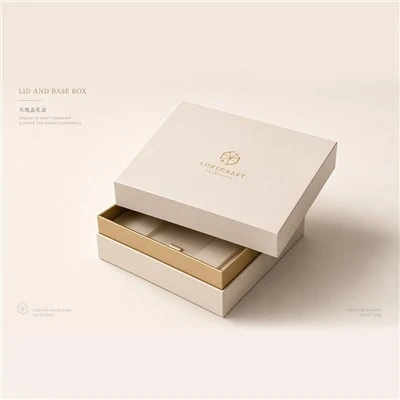
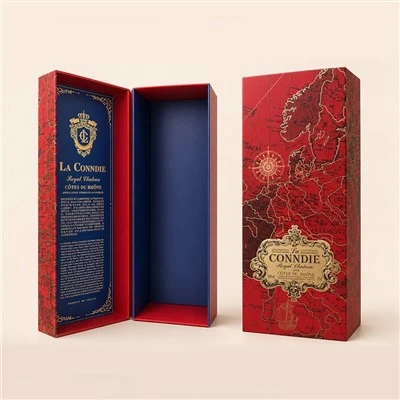
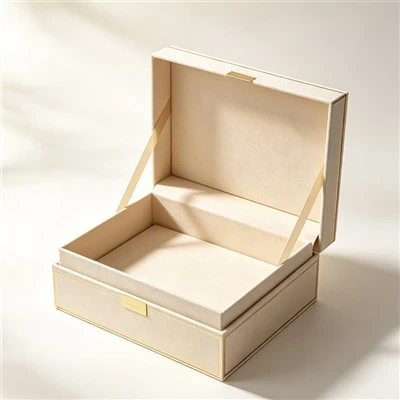
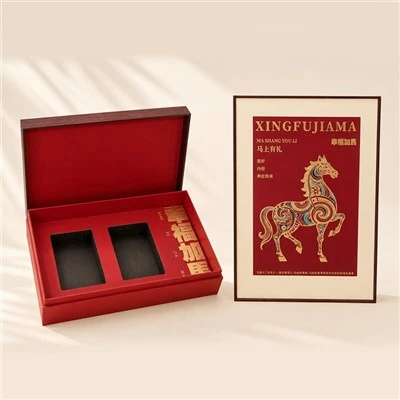
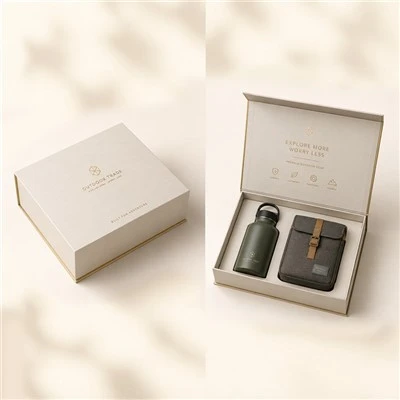
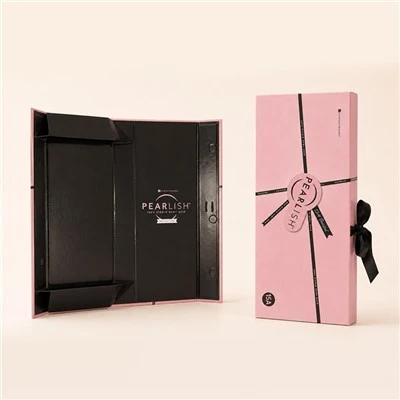
By considering the structure, manufacturing processes, and material characteristics of lid-and-base boxes, you can select the ideal material based on three key dimensions: product attributes, usage scenarios, and budget.
Define Your Selection Priorities
First, outline your core requirements and rank them by priority: Do you prioritize protective performance, visual appeal, or cost control? Avoid the wasteful practice of blindly pursuing high-end materials.
Match Materials to Product Characteristics
Products emphasizing visual appeal (cosmetics, gifts): Prioritize 250–400g white paperboard. It offers high rigidity and excellent color reproduction, perfectly showcasing intricate designs; simply ensure moisture protection if the product will be exposed to humid environments.
Fragile items subject to rough handling during transport (electronics, ceramics): Prioritize Kraft paperboard Its toughness and tear resistance provide ample cushioning and protection, making it suitable for long-distance logistics.
Packaging for large, standard items: Prioritize grey paperboard. It is rigid and inexpensive, significantly reducing packaging costs; it is ideal for scenarios where exquisite print quality is not a primary requirement.
High-end display products (jewelry, collectible figures): Use transparent acrylic for the lid to provide a clear view of the contents and enhance the display effect, while pairing the base with specialty art paper to balance protection with a premium feel.
High-end collectible products (fine spirits, antiques/art objects): Choose solid wood or MDF (medium-density fiberboard). These materials are substantial and durable, suitable for long-term preservation and underscoring the product's premium positioning.