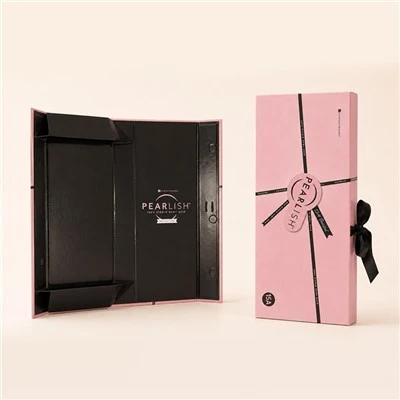
Determining Preliminary Specifications
First, determine the internal dimensions (length, width, and height) of the box based on the product's size, weight, and protection requirements, allowing for a 0.5–1mm clearance for product placement.
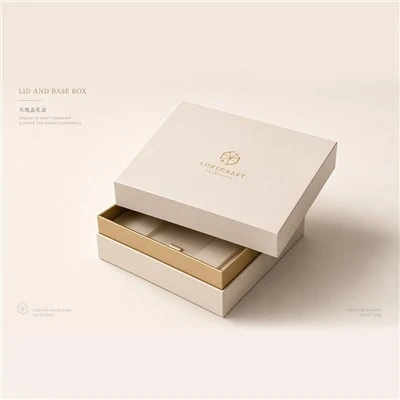
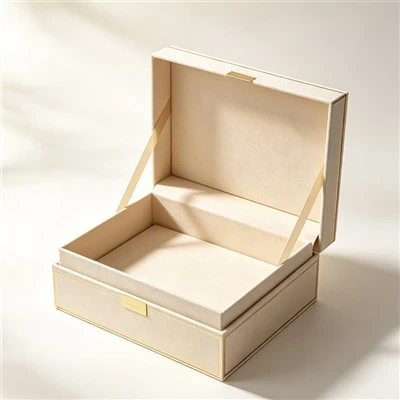
Select a basic box style variant: prioritize the classic full-depth lid style; choose a partial-depth lid for smoother opening; or opt for a "waist-reveal" (split-body) design to enhance the aesthetic appeal of high-end products.
Structural Detail Design
For the lid-to-base fit, set the lid's inner dimensions 1mm larger than the base's outer dimensions to provide clearance; for rectangular boxes, increase the lid's length and width by 2–3mm relative to the base to ensure smooth opening and closing without looseness.
Use 2–3mm thick greyboard for the box structure, laminated with specialty paper or coated paper on the exterior; enhance the tactile quality with finishes such as hot stamping, UV coating, or embossing/debossing.
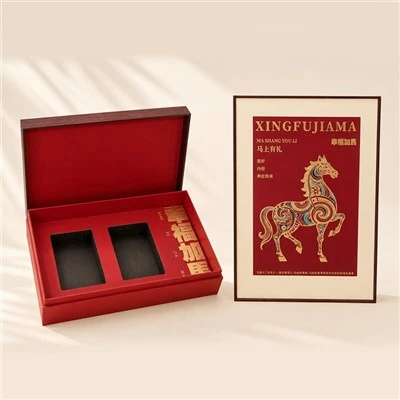
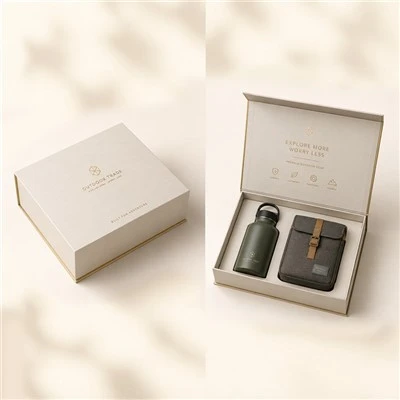
Design a custom insert based on the product's shape-using materials like cardstock, EVA foam, or thermoformed plastic-to securely hold the product in place and prevent damage during transport.
Implementation and Optimization
Verify die-cutting dimensions to ensure precision and avoid issues where the lid fits too tightly or too loosely.
Produce small-batch prototypes to test the opening/closing feel and load-bearing capacity, proceeding to mass production only after confirming everything is correct.