Basic Printing Processes
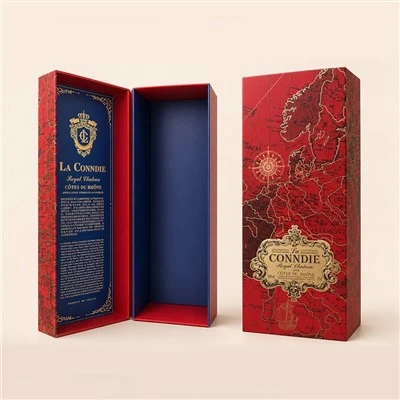
Offset/UV Printing: High-precision equipment prints the design directly onto the outer paper layer. This method offers high color fidelity and captures intricate graphic details, serving as the fundamental printing process for book-style boxes.
Screen Printing: Ideal for specialized inks-such as those creating spot matte or glow-in-the-dark effects-to produce unique visual and tactile experiences.
Surface Decoration Processes
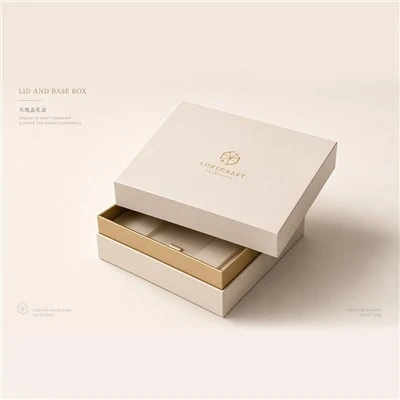
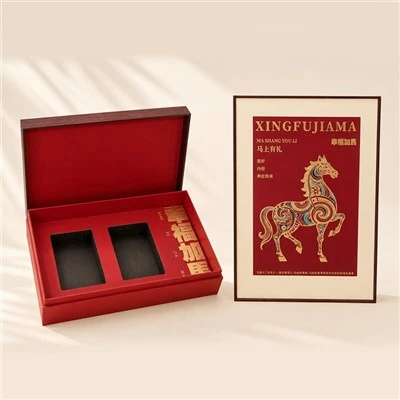
Hot Stamping (Gold/Silver): Metallic foil is heat-transferred onto the box surface. This technique highlights brand logos or text on the spine or cover with a lustrous finish, adding a touch of sophistication.
Embossing/Debossing/Relief: Molds are used to create raised or recessed three-dimensional textures. This gives graphics a distinct tactile quality and significantly elevates the packaging's premium feel.
Lamination: A thin film-available in glossy or matte finishes-is applied to the box surface. It provides water, stain, and abrasion resistance, ensuring the printed design remains intact over time.
Spot UV Coating: A glossy coating is applied to specific areas. This creates special effects-such as high-gloss, matte, or even velvet-like textures-adding depth and dimension to specific design elements.
Structural and Accessory Processes
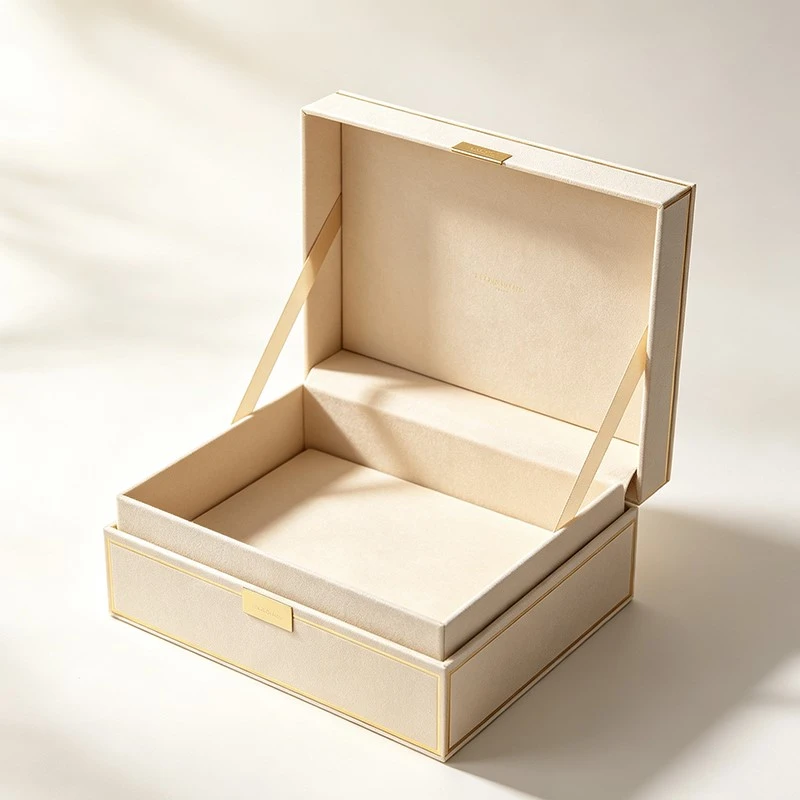
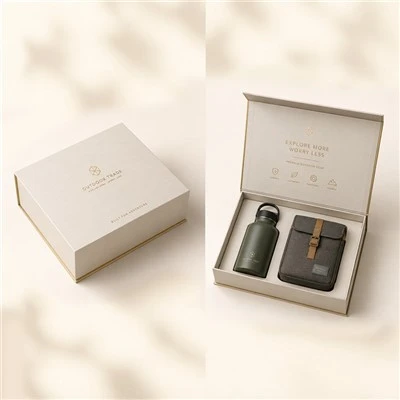
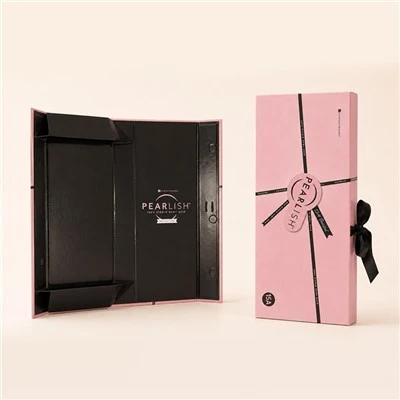
Magnetic Closure: Magnets are embedded in the corresponding positions of the lid and box body, allowing for automatic, smooth closing and enhancing the sense of ceremony during use.
Customized Inserts: Inserts made from materials like EVA, flocked foam, or molded paper pulp are custom-designed to fit the product's shape. This ensures a precise fit while providing enhanced protection.
Specialty Paper/Fabric Wrapping: The box body is wrapped in specialty materials-such as pearlescent paper, soft-touch paper, or silk fabric-creating a high-end texture that distinguishes it from standard paper boxes right from the base level.